What's Causing Your Low Sales Conversion Rates?
Close More Of The Deals Already In Your Pipeline
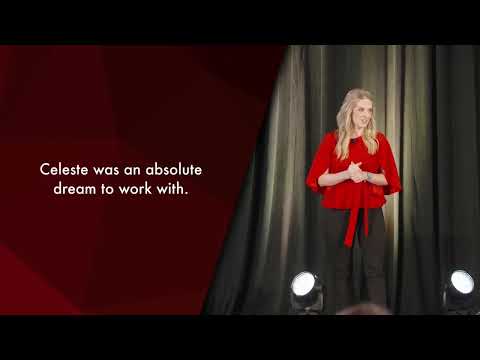
Real Client Testimonial from Alicia Rasta – EVP & Head of Global Sales @ Televerde
Before working with Keenan and Gap Selling, Televerde's sales cycles stretched 9–18 months, and their net-new logo close rate jumped from 11% to 24%.

Low Sales Conversion Rates
Are you losing deals you should be winning?
Common Questions About Low Sales Conversion Rates
What's causing our low sales conversion rate?
Most low conversion rates trace back to buyers choosing the status quo over your solution. Studies show up to 60% of deals are lost to no-decision, not to a competitor. When a rep doesn't uncover why the buyer needs to change, the buyer has no reason to move off what they're already doing, no matter how good the pitch is.
Is a low conversion rate a product problem or a sales problem?
Neither, usually. It's a discovery problem. Product-centric selling drives the conversation toward features and price, which puts the rep in a defensive position of having to "prove" the product is the best option. Problem-centric™ discovery instead centers the sale on the value of changing at all, which is what beats the status quo.
What's the difference between pain and a business problem?
Pain is a symptom a buyer feels. A problem is the underlying business issue causing it, with a cost attached. Sales teams that qualify on pain alone are qualifying on a feeling, not a number, and lose the ability to build urgency or justify a decision when it's time to act.
Does handling objections better fix a low conversion rate?
It helps, but it's treating a symptom, not the cause. An unresolved objection late in a deal is a sign the discovery never fully uncovered the buyer's problem, its cost, and why the status quo isn't working. Fix the discovery, and the objection has nothing left to attach to.
How do we find out which of these causes is driving our numbers?
Diagnosing which cause is active in a specific pipeline means scoring the deals themselves rather than reading a single conversion percentage. ASG's Quick Pulse Revenue Performance Assessment scores a pipeline against twelve yes-or-no questions across the areas most likely to be driving win rate down.
Understanding the Problem
It's the status quo. Low sales conversion rates and poor opportunity win rates trace back to an unaddressed buyer motivation to change. When salespeople fail to uncover the "why," buyers tend to stick with what they know. Studies have shown that up to 60% of deals are lost to no-decision or the status quo, not to a named competitor.
Product-centric selling compounds the problem by driving the buyer to focus on features and price. Salespeople lose deals they could have won if they had uncovered the buyer's "why" instead. Handling objections and implementing problem-centric™ discovery is central to improving win rates and opportunity conversion.
The Organizational Cause Behind Low Sales Conversion Rates
A conversion rate isn't a rep's closing skill working alone. It's a direct output of the evidence behind the deal. Buyer Input Data, or BID, is the buyer-verified problem, impact, and cost of inaction a rep collects during discovery. When BID is thin, the buyer has no verified reason to move off the status quo. When BID is fully developed, the buyer has already confirmed, in their own words, why staying put costs more than changing.
ASG scores deals against BID on a Red, Yellow, Green scale. The pattern shows up directly in close rate:
Same reps, same product. A Green-BID deal closes nearly 8 times more often than a Red-BID deal, and closes faster.
The gap isn't because Green deals were easier buyers. It's because a rep who has fully mapped the buyer's problem, its cost, and the impact of leaving it unsolved has given the buyer a verified reason to act now instead of defaulting to no-decision.
| Cause | Named Concept | Mechanism | Effect on Conversion Rate |
|---|---|---|---|
| Buyer sees no reason to change | Status quo bias | Discovery never surfaced a business problem worth more than staying put | Deal stalls in no-decision instead of converting to either side |
| Rep sells the product instead of the problem | Problem Identification Chart (PIC) | Rep enters the deal without a pre-built map of the buyer's likely problems and their business impact | Conversation stays product-level, so the buyer evaluates features instead of urgency to act |
| Deal loses to "no-decision," not a competitor | Buyer Input Data (BID) | Deal lacks buyer-verified confirmation of the problem's cost and the impact of inaction | Rep has no verified evidence to justify urgency, so the deal quietly goes cold |
Diagnosing the Root Cause
At the heart of losing to the status quo is product-centric selling. Discoveries that focus on product need and pain, rather than the buyer's current business problems, put the sales team in a defensive posture. Pain is not the same as a problem, and treating them the same has consequences.
When your sales team focuses on the product instead of the buyer's business problems, they inadvertently have to "prove" the value of their offering and "convince" buyers their product is the best, rather than "diagnosing" why the buyer needs to change at all. This rarely works, because product-centric selling doesn't align with the buyer's intrinsic and business motivations for change.
How To Fix It
The key to fixing low sales conversion rates lies squarely in the ability to move salespeople from being product-centric to being problem-centric™. This starts internally, by training your salespeople to build a holistic understanding of the buyer's working environment rather than a feature list of your own solution.
By increasing the sales team's business acumen and their understanding of the buyer's problems, the organization becomes better equipped to handle objections before they surface, minimize the impact of losing to the status quo, and increase win rates.
Download the Problem Identification Chart (PIC) to help your team understand your buyer's business problems and why they exist.
Need more help with this problem?
Reach Out!Or Do You Think You're Dealing With Other Scenarios As Well?
Long Sales Cycle
When it comes to converting opportunities, the root causes can be extensive. The primary reasons a deal doesn't convert to a client is simply the salesperson.
Tell Me More!Low Average Sale Price
When it comes to converting opportunities, the root causes can be extensive. The primary reasons a deal doesn't convert to a client is simply the salesperson.
Tell Me More!Poor Pipeline Development
When it comes to converting opportunities, the root causes can be extensive. The primary reasons a deal doesn't convert to a client is simply the salesperson.
Tell Me More!All The Way Down Here?
The world of sales has changed drastically and it's not slowing down. ASG Co. understands these changes and is leading the way in helping companies leverage 21st-Century methodologies, tools and approaches to accelerate revenue and reach revenue goals.
Start Your Learning Journey Here