

Search “VP of Sales Enablement” on LinkedIn on any given day and pull up three postings from three different B2B companies. Set the requirements sections side by side. They read like the same document, copied three times.
Seven-plus years of experience designing learning programs. A master’s degree in Adult Learning Theory, Instructional Design, or a related field, preferred. Experience with LMS administration, curriculum design, and content authoring tools. A background in eLearning development, SCORM-compliant content, and assessment design. Proven ability to facilitate workshops and deliver live training. Every line describes how learning gets designed and delivered. None of them describes how revenue gets produced or how a sales team gets better at selling.
Most VP of Sales Enablement job postings still screen for a function that stopped existing when the role got renamed from training to enablement roughly fifteen years ago, and the requirements section was never rewritten to match. A recruiter who screens against that posting, a hiring panel that selects candidates who match it, and a new hire who spends their first year building curricula and running the LMS are all following instructions that were written for a different job.
A Job Posting Written for a Function That No Longer Exists
Fifteen years ago, a training department reporting through HR got a new name. The work underneath it, onboarding content, methodology certification, workshop delivery, stayed the same. The rebrand was cosmetic. The hiring profile that got carried forward with it was built for a function that delivered learning content, and it became the hiring profile for a function that was supposed to deliver revenue performance, without anyone going back to check whether the two jobs needed the same person.
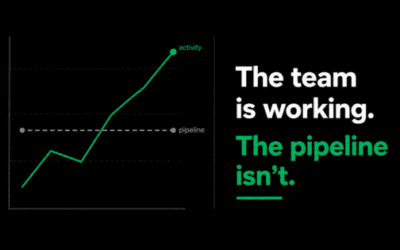
The recruiter screens for the old profile because it is the profile on file. The hiring panel selects from candidates who match it because that is what the posting asked for. The person who gets hired walks in and does what the job description told them to do: build curricula, schedule workshops, run the LMS, deliver training. A year later, a CRO stands up in a QBR and asks why enablement isn’t moving the number. The honest answer is that the hiring profile selected for training skills, so the person doing the job is delivering training, which is exactly what the job description asked for.
What the Postings Screen Out
Every credential on a typical posting measures whether a candidate can design and deliver content. None of them measures whether a candidate can read a deal, diagnose why a specific rep or team is missing quota, or connect a training decision to a pipeline outcome three months later.
| What the Job Posting Requires | What the Role Needs to Move a Number |
|---|---|
| Master’s degree in Adult Learning Theory or Instructional Design | Years carrying an individual sales quota, including quarters that were missed |
| Experience administering an LMS and designing curriculum | Experience managing a team, including the coaching and hiring decisions that come with it |
| Background in eLearning development and SCORM-compliant content | Fluency in how quota attainment, win rate, discovery adherence, and rep ramp time connect to each other |
| Proven ability to facilitate workshops and deliver live training | A record of building or rebuilding a system, a comp plan, a deal review cadence, a forecast process, not just operating one someone else built |
| Assessment and certification design experience | A track record of diagnosing why a specific rep or team is underperforming before prescribing a fix |
Who Is Succeeding in the Role Today
The people the job posting describes and the people currently succeeding in revenue enablement leadership are not the same population. The Sales Enablement Collective’s 2022 Landscape Report found that nearly two-thirds of enablement professionals, 63.4%, have a background in some sort of sales role rather than a background in learning and development. The people already filling these seats got there despite the posting they would have been screened against.
That gap between who gets hired on paper and who succeeds in practice is the same structural mismatch that shows up in how the function reports and where its budget sits, a mismatch that persists even once a company consolidates enablement and revenue operations under one leader, since a reorganized chart leaves the requirements section underneath it exactly as it was.
What a Rewritten Requirements Section Should Screen For
Five criteria predict fit for the role a modern revenue enablement leader has to do, and none of them is a credential a university issues.
Years carrying an individual quota, not as a formality but long enough to have lost deals that should have been won and felt the difference between a good comp plan and a bad one in an actual paycheck. Years managing a team, including at least one stretch where the team missed and the leader had to explain why to someone who didn’t want to hear it. Direct experience building or rebuilding a system, a deal review cadence, a comp structure, a forecast process, rather than only operating a system someone else designed. Fluency across a chain of metrics, quota attainment, win rate, discovery adherence, ramp time, and the ability to explain how movement in one produces movement in the others. And a habit of diagnosing before prescribing: asking what happened in a specific deal or a specific rep’s pipeline before recommending a fix, instead of defaulting to a workshop.
The Cost of Hiring Against the Old Requirements Section
A posting built around instructional design skills selects for a candidate who is good at instructional design. That candidate then gets measured, fairly, on completion rates and certification percentages, because those are the metrics the hiring profile was built to produce. Pipeline movement and win rate were never part of the spec, so nobody should be shocked when they don’t move.
The fix, developed at length in Gap Revenue Performance, starts before the org chart. It starts with the fifteen-year-old requirements section sitting on file with HR, the one that will select the next candidate against the same wrong spec unless someone rewrites it first.
Frequently Asked Questions
What is wrong with most VP of Sales Enablement job descriptions?
Most postings for the role screen almost entirely for skills related to how learning content gets designed and delivered, a master’s degree in Adult Learning Theory or Instructional Design, LMS administration, curriculum design, workshop facilitation, with no requirement related to sales performance, pipeline data, or revenue outcomes. The profile was built for a training function and never rewritten when the role was renamed sales enablement roughly fifteen years ago.
Why do sales enablement job postings still require an Adult Learning Theory degree?
The requirement carried forward from the hiring profile used before the function was renamed from training to sales enablement. Recruiters and hiring panels reuse existing job description templates, so a specification written for a content-delivery role kept getting recycled for a role that was supposed to be measured on revenue performance instead.
What should a sales enablement job description require instead of instructional design credentials?
Five criteria predict fit better than a credentialing background: multiple years carrying an individual sales quota, direct experience managing a team through both strong and weak quarters, a record of building or rebuilding a system rather than only operating one, fluency in how quota attainment, win rate, discovery adherence, and ramp time connect to each other, and a habit of diagnosing a specific performance problem before prescribing a fix.
What percentage of sales enablement leaders have a sales background?
The Sales Enablement Collective’s 2022 Landscape Report found that 63.4% of enablement professionals have a background in some sort of sales role rather than learning and development, meaning the people currently succeeding in the function look closer to the rewritten profile than to the job posting that would be used to hire their replacement.
What happens when a company hires against the old sales enablement job description?
The hire is measured on the metrics the old posting was built to produce, completion rates and certification percentages, rather than on pipeline or win-rate movement. A year in, the function looks active on a slide and has no measurable connection to a revenue outcome, and the gap gets diagnosed as a performance problem when it started as a hiring-spec problem.
Should sales enablement report to HR, sales, or revenue operations?
The reporting line matters less than whether the hiring profile for the role matches the outcomes it’s measured against. A leader hired against an instructional-design spec will produce instructional-design outcomes regardless of which department the role reports into, which is why fixing the requirements section has to happen alongside fixing the reporting structure, rather than in place of it.

0 Comments